
We’ve all been there. You wake up on a Tuesday morning, turn your head to look at your alarm clock, and feel a sharp knot in your shoulder that makes you question all of your life choices.
Maybe it’s from pushing a little too hard on the trails around Southern Utah, carrying the weight of a busy workweek, or simply living life in a body that feels like it desperately needs a system reboot.
When your muscles reach their limit, standard relaxation techniques don't always cut it. You need something that targets the root of the problem. That’s where deep tissue massage comes in.
At Body Revive, we believe recovery isn’t optional, it's essential. We’re more than a massage; we’re your local partner in long-term wellness and performance. Here is everything you need to know about what deep tissue massage actually does, how it helps your body recover, and why it might be the exact treatment your body is asking for.
What Does a Deep Tissue Massage Actually Do?
There’s a common misconception that deep tissue massage is just a standard massage with someone leaning into your back as hard as they can. In reality, it’s a deliberate, medically informed technique designed to reset muscle mechanics.
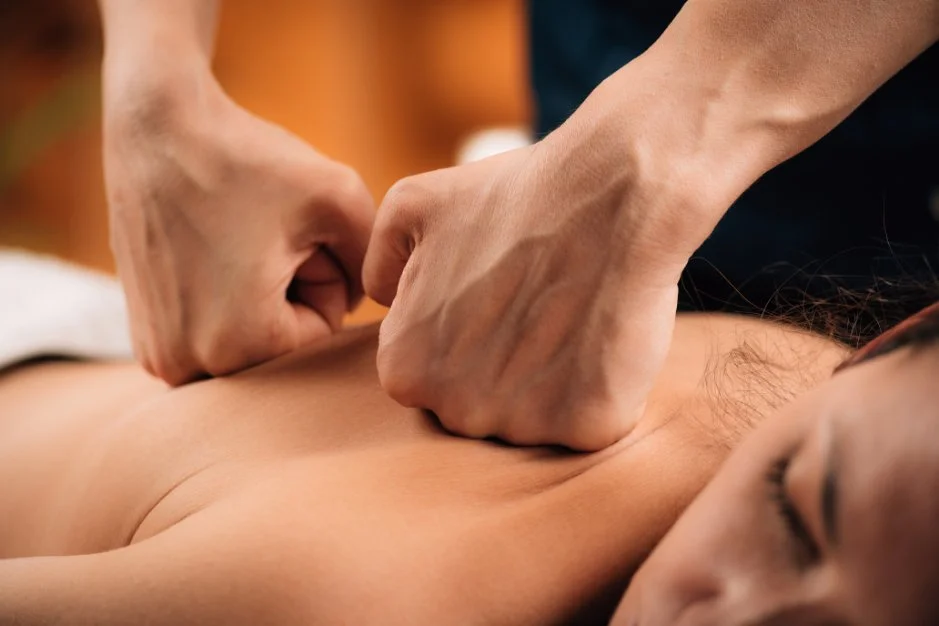
Deep tissue massage targets the deeper layers of muscle tissue and the surrounding connective tissue (fascia). Over time, physical stress, repetitive motions, and past injuries create adhesions of rigid bands of painful, contracted tissue commonly referred to as "knots." These adhesions disrupt circulation, limit your range of motion, and cause localized or radiating pain.
During a session, your therapist uses slow, firm strokes and targeted pressure to break down these adhesions.
How Deep Tissue Massage Supports Your Health & Recovery
Increases Targeted Blood Flow: Deep pressure stimulates blood circulation, pumping oxygen and nutrient-rich blood directly into fatigued or starved muscle tissue.
Breaks Down Scar Tissue: Whether from an old workout injury or past surgery, scar tissue limits flexibility. Deep tissue massage realigns muscle fibers to restore natural movement.
Flushes Metabolic Waste: Deep physical manipulation helps release built-up metabolic waste from tight muscles, speeding up natural cell recovery.
Calms the Nervous System: Beyond the physical relief, sustained deep pressure helps lower cortisol (stress hormone) levels and triggers your body’s parasympathetic nervous system, allowing your body to rest and heal.
Who Needs Deep Tissue Massage? (Athletes, Injuries & Everyday Stress)
Your body carries stress based on how you live. Whether you’re training for a race, recovering from an injury, or carrying toddlers up and down the stairs, deep tissue massage adapts to your lifestyle.
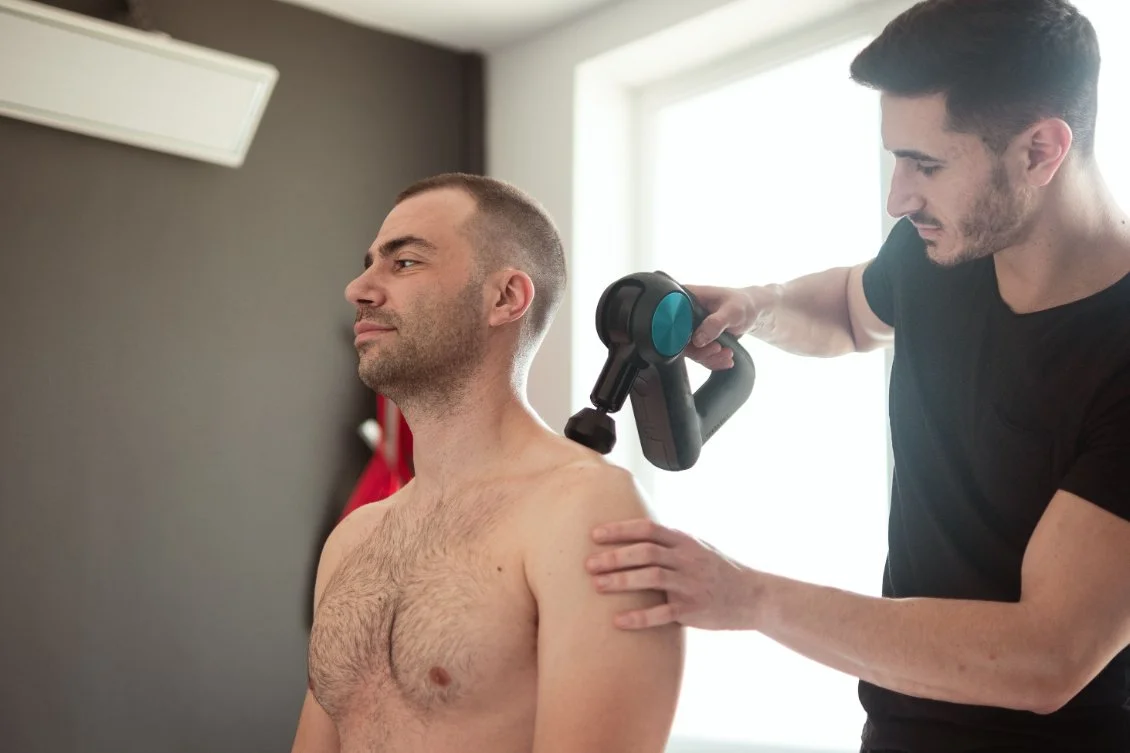
1. Athletes & Active Lifestyles
Whether you are hitting heavy lifts in the gym, mountain biking around Cedar City, or hiking through Southern Utah’s red rocks, your muscles undergo constant micro-tears and strain.
Deep tissue massage helps athletes by restoring flexibility, improving joint mobility, and preventing overuse injuries before they bench you. When paired with our contrast recovery options like our plunge, sauna, and meditation modalities it forms the ultimate sports recovery routine.
2. Injury & Post-Op Recovery
Recovering from physical trauma requires an intentional strategy. Deep tissue massage works directly on stubborn scar tissue, reducing chronic inflammation and helping realign muscle fibers back to their natural state.
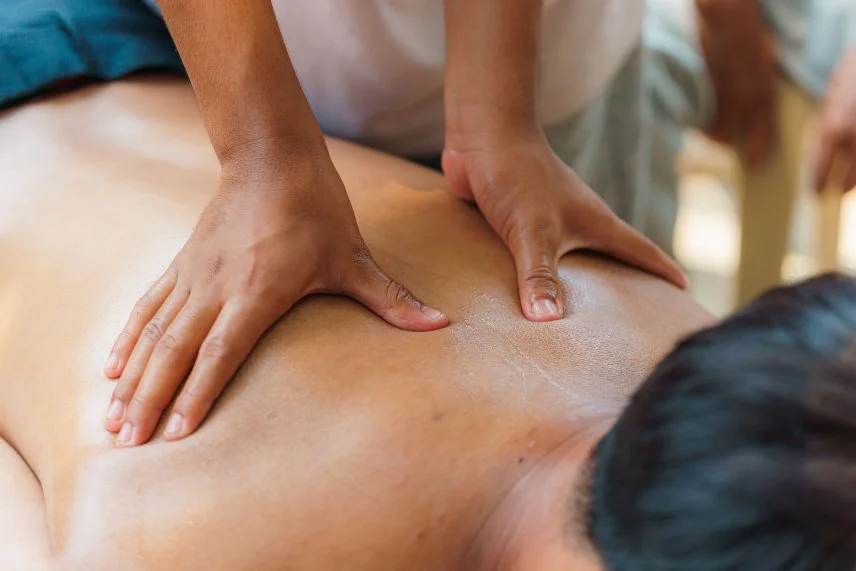
For surgical recovery or specific post-procedure protocols, gentle circulation work is often required first. You can learn more about how gentle, targeted therapies assist in initial healing by exploring why post-op lymphatic massage is essential for your recovery, or read about our specialized post-op lymphatic massage services.
3. Everyday Life, Stress & Desk Work
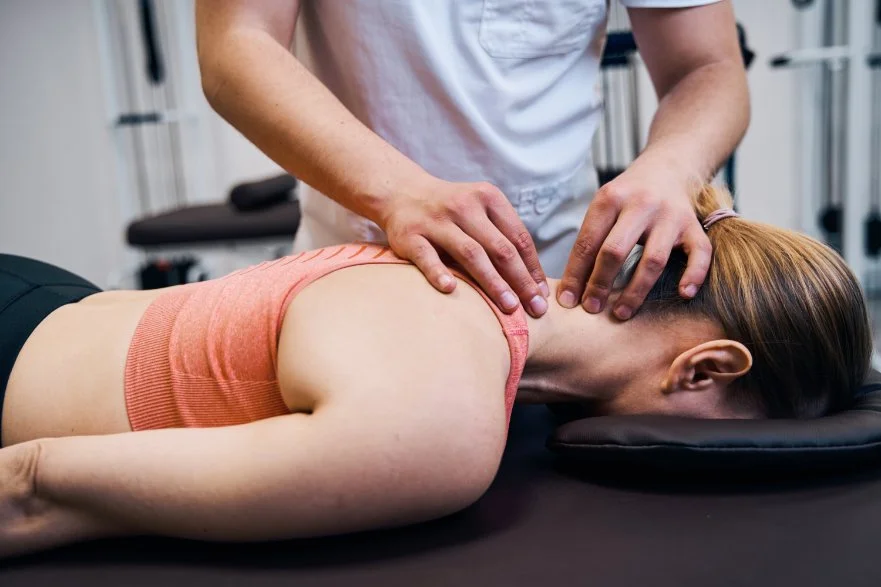
You don't need to run a marathon to experience severe muscle strain. Sitting at a desk for 8 hours a day, driving long distances, or carrying everyday emotional stress leads to "tech neck," tight hip flexors, and lower back aches.
Physical tension and mental strain are deeply connected. When stress gets trapped in the body long-term, pairing physical tissue work with holistic somatic techniques such as our emotional trauma release therapy can help clear stored nervous system stress.
Frequently Asked Questions About Deep Tissue Massage
Is deep tissue massage supposed to hurt?
Deep tissue massage involves focused pressure, which means you may feel some intensity often described as a "good hurt" or therapeutic release. However, it should never feel unbearable. Clear communication with your therapist ensures the pressure stays within your comfort zone.
How is deep tissue massage different from a Swedish massage?
A Swedish massage focuses on light-to-medium pressure designed primarily for relaxation, surface circulation, and stress relief. A deep tissue massage uses slower, more intense pressure targeting deep muscle layers and fascia to treat chronic pain, knots, and structural tightness.
Will I be sore after my session?
It’s common to feel slight muscle soreness for 24 to 48 hours after a deep tissue session, similar to the feeling after an intense workout. Drinking plenty of water and taking a warm bath helps ease muscle recovery.
How often should I get a deep tissue massage?
For chronic pain or active injury recovery, starting with sessions every 1 to 2 weeks allows for steady progress. For general upkeep and stress management, a session once or twice a month is ideal to keep muscle tension at bay.
Let Us Be Part of Your Healing Journey
You don't have to live with chronic knots, tight shoulders, or limited mobility. At Body Revive in Cedar City, our highly trained, medically informed therapists design every session around your body’s unique needs.
Feels like going to the doctor… but you leave pampered. Come in with pain and stress, and leave it on the table.
Ready to give your body the reset it deserves?
