
Mastering the Chill: A Cedar City Cold Plunge Breathwork Guide
Most people approach a cold plunge the same way they approach a Monday morning without coffee: with a mix of dread, a sharp intake of breath, and a frantic desire for it to be over as quickly as possible.
You’ve seen the videos. Someone stands over a tub of ice water, takes a massive, panicked gulp of air, and jumps in only to spend the next three minutes hyperventilating as they’ve just seen a ghost.
At Body Revive, we’re here to tell you there’s a better way. We believe that recovery shouldn’t feel like a punishment. Whether you’re a Southern Utah athlete training for your next trail run or a busy Cedar City local just trying to regulate your nervous system after a long week, mastering your breath is the "remote control" for your cold plunge experience.
We’re more than a massage; we’re your partners in healing. Let’s dive into how you can use breathwork to turn that icy shock into a profound "revived" state.
Why Breathwork is the Secret Weapon of Cold Water Immersion
When your skin hits that cold water, your body does exactly what it was evolved to do: it panics. This is the sympathetic nervous system (the "fight or flight" response) kicking into high gear. Your heart rate spikes, your muscles tense, and your brain screams, "Abort mission!"
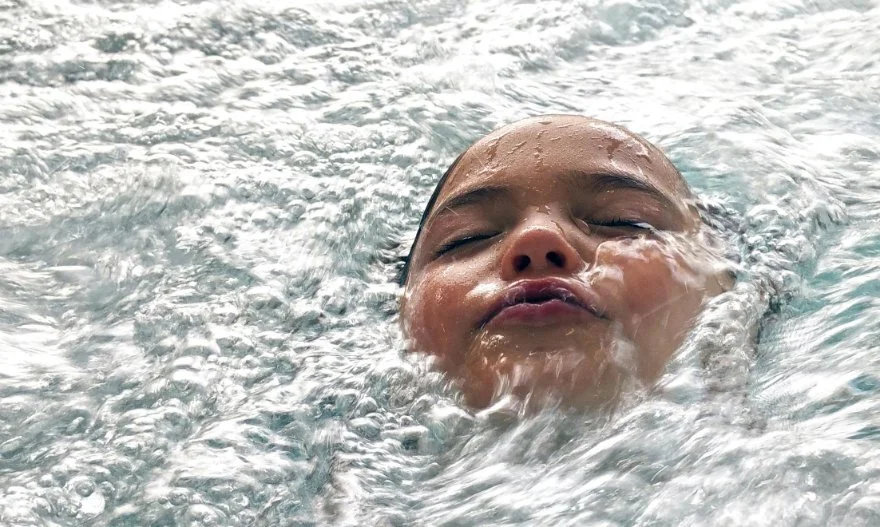
If you stay in that panicked state, you aren't getting the full benefits of the plunge. You're just stressing an already stressed body.
By using specific breathwork techniques, you signal to your brain that you are safe. You activate the vagus nerve and flip the switch to the parasympathetic nervous system (the "rest and digest" mode). This is where the magic happens where inflammation drops, dopamine spikes, and you leave feeling like you have a "new body."
Phase 1: The Pre-Plunge Prime (The Preparation)
You wouldn't start a marathon without a warm-up, and you shouldn't start a cold plunge without prepping your lungs. Before you even touch the water at our Cedar City facility, take two minutes to ground yourself.
The Technique: Diaphragmatic "Belly" Breathing
Most of us are "chest breathers," which is a shallow way of breathing that keeps us in a state of low-level anxiety. For the cold plunge, we need deep, belly-driven air.
The Inhale: Breathe in slowly through your nose for 4 seconds. Imagine filling your belly like a balloon, not just your chest.
The Exhale: Breathe out through your mouth for 6 seconds. The key here is making the exhale longer than the inhale. This tells your heart rate to slow down.
The Mindset: Visualize the cold water. Don't fight the thought; just acknowledge it. You’re prepping your internal thermostat.
Phase 2: The Entry (Managing the "Gasp Reflex")
This is the moment of truth. As you step into the water and submerge your shoulders, your body will want to do a "gasp reflex." This is a sharp, uncontrolled inhale that leads to hyperventilation.

The Technique: The "Straw Exhale"
To beat the gasp, you have to be intentional with your air before you're fully under.
Take a deep breath in just before you submerge.
As your body hits the water, exhale slowly through pursed lips, as if you are blowing through a tiny straw.
Pro Tip: If you can control this first exhale, you’ve already won the mental game. The first 30 seconds are the hardest; once you push through that initial "straw breath," the body begins to adapt.
Phase 3: The Immersion (Finding Your Zen)
Once you are in the water up to your neck, the goal is to settle into a rhythm. You aren't just "surviving" the time; you are meditating in it. This is where we see the best results for our clients who utilize our Plunge, Sauna, and Meditate suite.
The Technique: Box Breathing
This is a favorite of Navy SEALs and elite athletes for staying calm under pressure.
Inhale for 4 seconds.
Hold that breath for 4 seconds.
Exhale for 4 seconds.
Hold (empty) for 4 seconds.
Repeat this cycle. It gives your mind a rhythmic count to focus on, pulling your attention away from the "bite" of the cold and toward the stillness of the moment.
The Dos and Don’ts of Cold Plunging
To ensure you get the best recovery experience in Southern Utah, keep these rules in mind:
| DO | DON'T |
|---|---|
| Focus on the Exhale: It’s your brake pedal for your heart rate. | Hold Your Breath: This creates internal pressure and increases panic. |
| Relax Your Shoulders: Keep them down. Avoid the "turtle" shrug toward your ears. | Hyperventilate: Short, shallow gasps will make the cold feel 10x more intense. |
| Keep Your Hands Tucked: If your fingers get too cold, tuck them into your armpits. | Compare Your Time: Whether it’s 1 minute or 5, it’s about your healing journey. |
| Trust the Process: The "pain" usually turns into a dull hum after 60 seconds. | Ignore Your Body: If you feel lightheaded or unusual pain, listen to your body and exit. |
Why We Combine Cold with Wellness in Cedar City
In Southern Utah, we play hard. From hiking the red rocks to hitting the gym, our bodies take a beating. At Body Revive, we know that cold plunging is just one piece of the puzzle. That’s why we offer a comprehensive approach to wellness.
Many of our clients find that pairing a cold plunge with massage therapy in Cedar City creates the ultimate "reset" for the nervous system. While the plunge handles the acute inflammation, our medical-informed massage therapists handle the chronic tension stored in your muscles.
Frequently Asked Questions About Cold Plunging
How long should I stay in the cold plunge? For most people, the "sweet spot" is between 2 to 5 minutes. You don't need to stay in until you're shivering uncontrollably to get the benefits of dopamine and reduced inflammation. Consistency is better than duration.

Should I plunge before or after a workout? If your goal is hypertrophy (building muscle size), it’s often recommended to wait 4-6 hours after lifting. However, for general recovery, nervous system regulation, and pain management, plunging any time is highly beneficial.
How cold is the water at Body Revive? We keep our plunge at an invigorating temperature designed to trigger the cold-shock response safely. It’s cold enough to be effective, but with the right breathwork, it’s entirely manageable.
Can I do this if I have high blood pressure? We always recommend consulting with your doctor before starting cold water immersion, especially if you have cardiovascular concerns. Our environment is professional and safety-focused. We're here to support your journey, not rush it.
Recovery Isn’t Optional It’s Your Reset
If you've been "white-knuckling" your way through life, holding onto stress, or pushing through injury, it's time to let us do the heavy lifting. Cold plunging with proper breathwork isn't just a trend; it's a scientifically backed way to take control of your health.
Think of it this way: You train hard. You work hard. You parent hard. Don't you deserve to recover just as hard?

When you visit us, it feels a bit like going to the doctor highly professional, result-oriented, and educational but you leave feeling pampered and at peace.
Ready to Master the Chill?
Stop guessing and start healing. Whether you’re looking for a sports recovery session, a parasympathetic reset, or the best massage therapy Cedar City has to offer, we are ready to be part of your journey.
Click here to book your session at Body Revive today!
“We’re more than a massage; we’re Body Revive.”
