
Scar Tissue & Lymphatic Flow: What You Need to Know
Whether it’s from a past surgery, an old sports injury, or a severe skin breakout, most of us carry a few scars. We usually view them as badge-of-honor reminders of past healing. But what happens beneath the surface of your skin often gets overlooked.
Scars aren't just cosmetic marks; they are real structural shifts in your tissue. When scar tissue forms, it can disrupt your body's natural drainage and recovery pathways specifically, your lymphatic system. If you’ve been dealing with persistent tightness, localized swelling, or a feeling that a certain area of your body just won't fully reset, scar tissue might be the hidden culprit holding you back.
Let’s dive into how your body treats scars, how they impact your internal plumbing, and what you can do right here in Cedar City to restore movement, fluid flow, and balance.
How Your Body Creates Scar Tissue (The Emergency Patch Kit)
To understand why scar tissue causes long-term issues, you first have to look at how your body handles an acute injury.

Think of healthy, uninjured tissue like a neatly woven sweater. The collagen fibers run parallel to one another, allowing your skin, fascia, and muscles to stretch, glide, and slide effortlessly whenever you move.
When you experience physical trauma such as a surgical incision, a muscle tear, or deep tissue inflammation your body enters survival mode. It needs to close the wound as fast as possible to prevent infection and structural collapse. To do this, it deploys collagen like an emergency patch kit. Instead of taking the time to neatly weave those fibers back together, your body dumps collagen down in a dense, disorganized, crisscross pattern.
It works fantastically as a quick fix, but this "jumbled net" of scar tissue lacks the elasticity and pliability of normal tissue. Because your body views scar tissue as a permanent structural anchor, it won't break down or reorganize those dense fibers on its own. It stays firmly in place unless you intentionally work to remodel it.
The Lymphatic System: Your Body’s Internal Plumbing
While your cardiovascular system pumps blood outward through your body using your heart, your lymphatic system operates entirely differently. It is your body’s built-in filtration, fluid regulation, and waste-removal network. It works silently in the background clearing out cellular debris, fluid buildup, and metabolic waste.
Here is the vital connection: a massive portion of your lymphatic vessel network sits just beneath the surface of your skin in the superficial tissue layers. Unlike your blood vessels, the lymphatic system has no central pump. Instead, it relies on smooth tissue movement, muscle contractions, and clear physical pathways to pump lymph fluid back toward your lymph nodes for filtration.
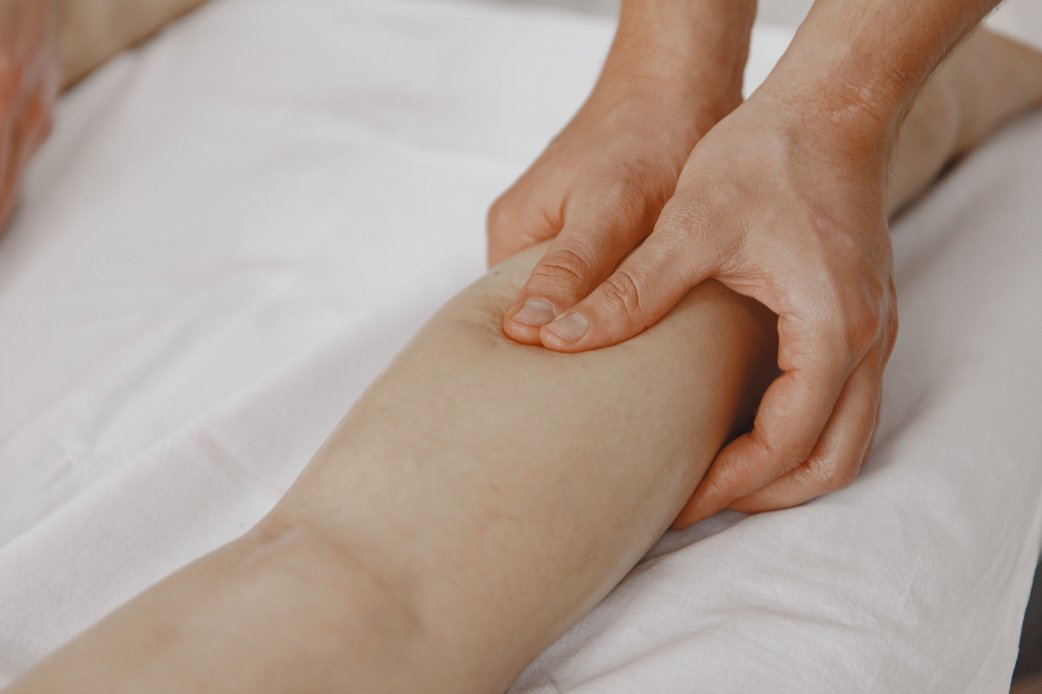
When your tissue is healthy and pliable, fluid glides through these superficial pathways with ease. But when thick, hardened scar tissue forms in those upper layers, it creates a major structural bottleneck.
The Intersection: How Scar Tissue Blocks Lymphatic Flow
Imagine a four-lane highway during rush hour in Southern Utah. Traffic is moving smoothly until construction suddenly blocks three out of those four lanes. Cars back up for miles, creating a gridlock that ripples throughout the entire highway network.
That is precisely what scar tissue does to your lymphatic flow.
1. The Traffic Jam Effect
Because scar tissue forms dense adhesions that bind skin, fascia, and underlying muscle tissue together, it physically pinches off fragile, thin-walled lymphatic vessels. Fluids can no longer pass through efficiently. This creates localized fluid retention, chronic puffiness, stiffness, or a dull, heavy ache around and below the scar site.
2. Nervous System Stagnation
Your body senses when fluid and fascia are trapped under tension. Physical restrictions and stagnant fluid send subtle, continuous distress signals straight to your nervous system. This lingering tension keeps your body stuck in a subtle "fight or flight" stress state, making it far harder for your muscle tissue to relax, repair, and recover after workouts or busy workdays.
3. The Domino Effect
Your body is interconnected by a continuous web of fascia and fluid channels. A tight surgical scar on your abdomen can pull on the fascia surrounding your lower back. An old knee scar can block lymphatic drainage all the way down to your ankle. What starts as a localized scar quickly turns into a systemic recovery barrier.
Taking Care of Scars: Restoring Fluid Motion & Skin Health
The good news? Scar tissue isn't permanently set in stone. With targeted care, you can encourage your body to break down those dense collagen fibers, release tight fascia, and open up choked-off lymphatic pathways.
Manual Tissue Mobilization
Specialized manual therapy and targeted bodywork apply directed pressure to break up fibrotic adhesions. By manually loosening the tight collagen matrix, you give lymphatic fluid the physical room it needs to flow freely again.
Collagen Remodeling & Skin Care
To address scars near the surface, stimulating controlled skin renewal is essential. Advanced skin treatments create precise micro-channels in the skin, signaling the body to break down old, disorganized collagen and replace it with smooth, newly organized tissue.
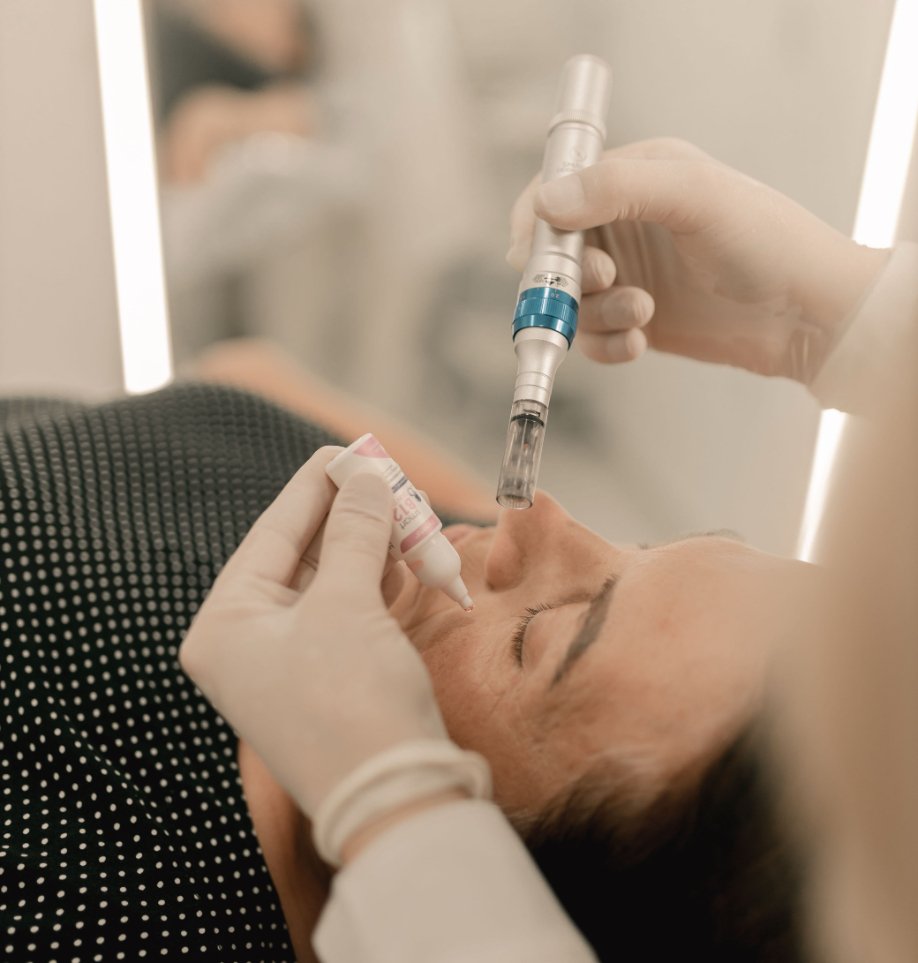
If you are looking to revitalize damaged skin tissue, exploringMicroneedling at Body Revive is one of the most effective ways to break up surface collagen buildup and improve skin texture.
For a deeper dive into local skin restoration techniques, check out ourSouthern Utah Local’s Guide to Skin Recovery.
Comprehensive Systemic Support
Healthy tissue requires holistic skin care from the outside in. Combining targeted skin therapies with routine skin maintenance helps support long-term cellular turnover and overall skin elasticity. You can discover personalized options through ourFacials & Waxing Services to keep your skin hydrated, clear, and resilient.
Frequently Asked Questions
Can old scar tissue still affect my lymphatic drainage?
Yes, absolutely. Scar tissue does not have an expiration date. Scars from surgeries, injuries, or severe breakouts that happened decades ago can continue to restrict fascia and block underlying lymphatic channels until the tissue is manually worked on and mobilized.
Is scar tissue treatment painful?
It shouldn't be! While manual therapy or specialized skin treatments on bound tissue can feel intense or yield a "good hurt" sensation, it should never cause sharp pain. A skilled therapist works within your comfort level to gradually release tension without causing unnecessary inflammation.
How do I know if my scar is blocking lymphatic flow?
Common signs include persistent swelling around or downstream from the scar, a feeling of density or "hardness" under the skin, temperature changes (feeling cold to the touch) in surrounding tissue, or restricted range of motion near the scarred area.
How many sessions does it take to see improvement in scar tissue?
Everybody is different, but most people notice increased pliability, decreased tension, and reduced swelling after 2 to 4 targeted sessions. Consistency allows your body time to break down dense collagen and rebuild healthier pathways.

Let Body Revive Be Part of Your Healing Journey
You don't have to live with restricted movement, chronic puffiness, or tight tissue holding you back. Addressing scar tissue brings back freedom of movement, reduces swelling, and helps you feel like yourself again.
Whether you need targeted manual therapy to break up deep tissue adhesions, advanced skin remodeling, or a total body recovery reset with our Infrared Sauna and invigorating Cold Plunge, we are here to support your healing routine.
Let us do the heavy lifting so you can leave your pain on the table. Call Body Revive today or book your session online to get your fluid moving and start feeling like a new you!
